ESG as the New Growth Engine: Redefining Long-Term Capital Strategy in Indian Pharma
March 21, 2026
Beyond the Label: How Semaglutide Generics are Redefining Weight-Loss Opportunities
March 23, 2026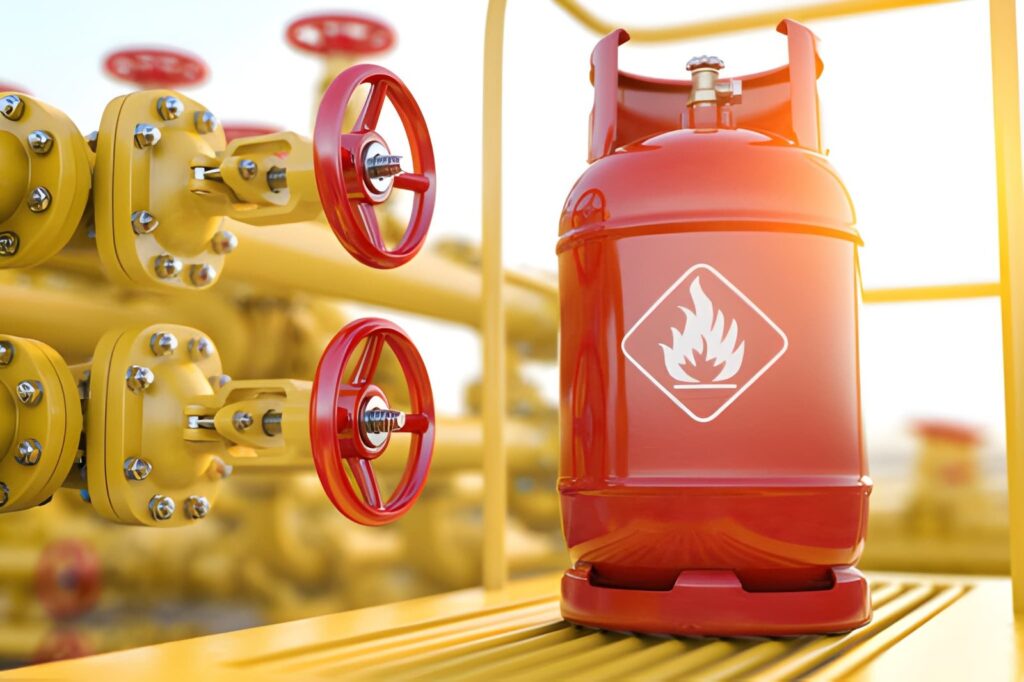
India’s pharmaceutical industry—often called the “pharmacy of the world”—is facing an unexpected and critical challenge. A shortage of liquefied petroleum gas (LPG), a key industrial fuel, is raising alarm bells across the sector. What may seem like a simple energy supply issue is now threatening the production of life-saving drugs, exposing a fragile link in the healthcare supply chain.
The Hidden Role of LPG in Pharma Manufacturing
LPG is not just used for cooking or domestic purposes—it plays a vital role in pharmaceutical production. From running boilers to maintaining sterilization processes, LPG ensures that manufacturing units operate efficiently. One of its most crucial applications is in sealing glass ampoules used for injectable medicines. Without a stable LPG supply, this process can come to a halt, directly impacting the availability of critical drugs.
Pharmaceutical companies, especially in manufacturing hubs like Gujarat, are already experiencing irregular LPG supplies. Some firms have reported having only a few days’ worth of stock, making the situation increasingly urgent.
A Crisis Triggered by Global Disruptions
The LPG shortage is not an isolated domestic issue. It is deeply connected to global geopolitical tensions. Disruptions in key energy supply routes, particularly through the Strait of Hormuz, have significantly reduced LPG imports into India. The country relies heavily on imports for its LPG needs, making it vulnerable to such global shocks.
As supply tightens, the government has prioritized domestic consumption over industrial use. While this move ensures that households continue to receive cooking gas, it has left industries—including pharmaceuticals—struggling with reduced allocations. In some regions, industrial supply cuts have been substantial, forcing companies to scale down operations.
Impact on Life-Saving Drug Production
The consequences of LPG shortages in pharma manufacturing are far-reaching. Injectable medicines, which are essential for emergency care and critical treatments, are particularly at risk. These include drugs used in chemotherapy, post-surgical care, and severe infections.
Even a short disruption in production can lead to delays in hospital supply chains. Industry experts warn that prolonged shortages could result in reduced availability of essential medicines across healthcare facilities.
Additionally, the shortage of related fuels like propane has already forced partial or complete shutdowns of several pharmaceutical units across India. This has begun affecting the production of common medicines such as paracetamol, vitamins, and hormone-based drugs.
Industry Concerns and Urgent Calls for Action
Pharmaceutical companies and industry bodies are urging the government to intervene quickly. Their demands include ensuring uninterrupted LPG supply for critical industries, increasing allocation for pharma units, and introducing emergency support measures similar to those implemented during the pandemic.
There is also a growing call to classify pharmaceutical manufacturing as a top-priority sector in fuel allocation policies. Without such prioritization, companies fear a ripple effect that could disrupt not only domestic healthcare but also India’s global medicine exports.
A Wake-Up Call for Supply Chain Resilience
This crisis highlights a deeper issue—the vulnerability of India’s pharmaceutical ecosystem to energy supply disruptions. While the industry has long focused on raw material imports and logistics, fuel dependency has largely remained under-discussed.
The current situation presents an opportunity to rethink long-term strategies. Diversifying energy sources, investing in alternative fuels like piped natural gas (PNG), and building strategic reserves of industrial fuel could help mitigate future risks.
Conclusion
The LPG shortage is more than just an energy crisis—it is a potential healthcare emergency in the making. As pharmaceutical companies struggle to maintain production, the availability of life-saving medicines hangs in the balance.
Swift policy intervention, combined with long-term planning, is essential to ensure that India’s pharmaceutical sector continues to function without disruption. Because when fuel runs low, it’s not just factories that slow down—it’s the pulse of healthcare itself that is at risk.